


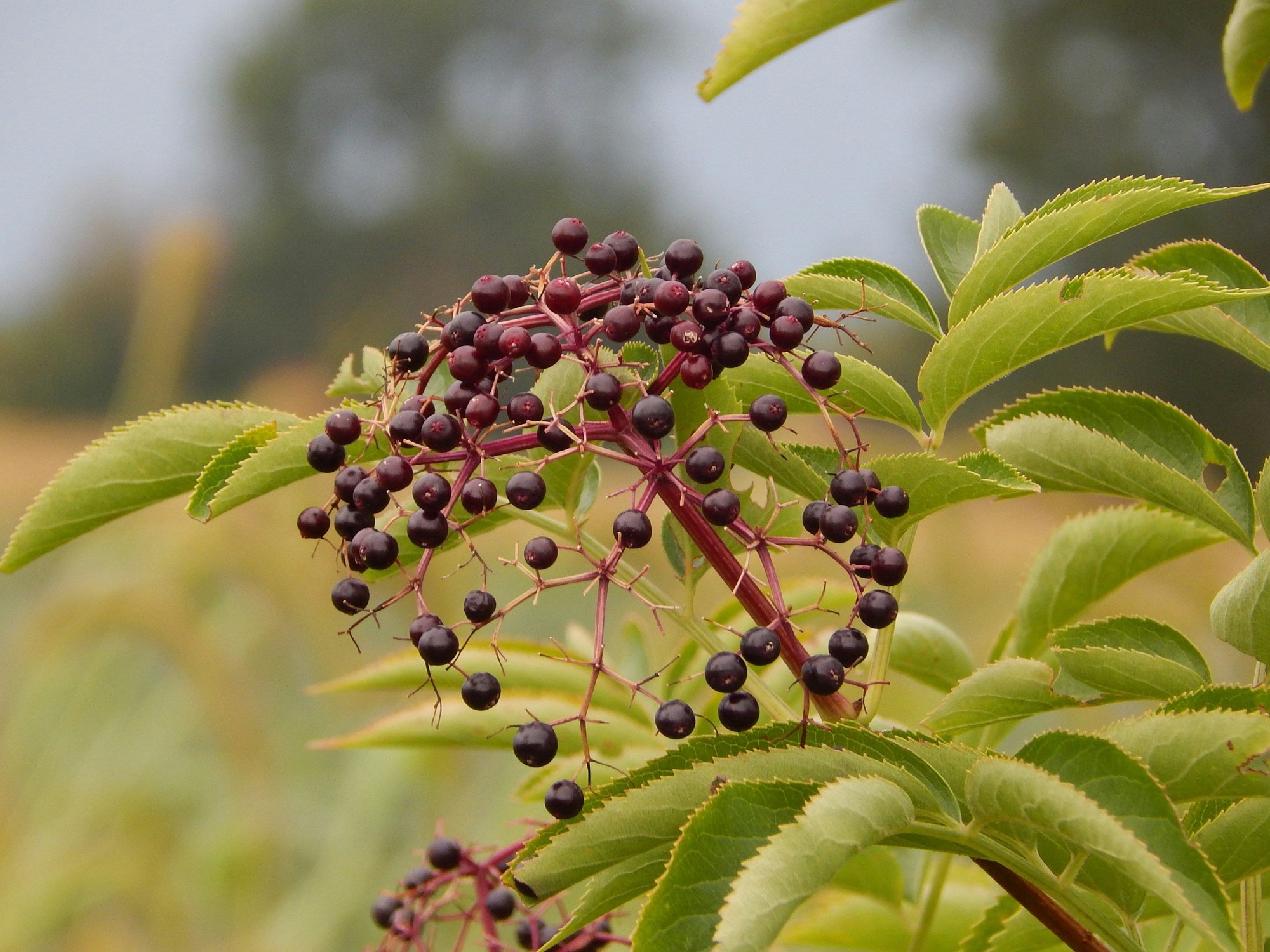
The History of Elderberries: A Timeless Superfood
Elderberries are small, dark purple berries from the elder tree, Sambucus nigra, and they have been prized for centuries. Not just for their flavour, but for the place they held in family kitchens long before anyone was measuring anything. It is a genuinely good story, and it is the reason we make what we make.
Ancient beginnings and a sacred tree
The elder tree goes back thousands of years. Native to Europe, Asia and parts of North America, it was treated as sacred by many ancient civilisations.
In Greek tradition the elder was linked to Demeter, goddess of the harvest. The Latin name Sambucus is thought to come from the Greek word sambuke, a musical instrument made from elder wood. The tree was seen as protective, and as something that brought good fortune to the household.
In Celtic tradition the elder was a tree of life. The Druids believed that planting one near a home would bring good health and keep bad things away. It was not only the fruit that mattered either. The leaves, flowers and bark all had their uses.
Medieval and Renaissance kitchens
Through the medieval period, elderberries moved deeper into everyday use. Monks and herbalists worked them into all sorts of preparations, and elderflower in particular was valued through the colder months. Elderberry syrup became a household staple, and its reputation carried right through the Renaissance.
The berries also made wine, cordials and jams, a tradition that continues in plenty of cultures today. Elderberry wine sat somewhere between a drink for pleasure and a drink for wellbeing, which feels very familiar.
Elderberries in Indigenous cultures
In North America, Indigenous peoples including the Cherokee and Iroquois used elderberries in their traditional practices. Not just the berries, but the bark and flowers too, prepared as poultices, teas and tinctures.
That knowledge was passed down through generations, and it remains part of native herbal traditions today.
The modern revival
Elderberries have come back into the light over the last decade, particularly in wellness and natural health. They are naturally rich in vitamins A, C and E and in antioxidants, which help protect cells from free radical damage, and they have become one of the most recognisable names in everyday immunity support.
Which is really just the modern version of what people have always done with them. Simmer them down with honey in autumn, keep a jar for winter.
Elderberry in Australia
Elderberries are native to the Northern Hemisphere, but they have found their way here. Elder trees now grow with gardeners and herbalists across the temperate parts of the country, and the berries turn up in everything from jams and syrups to teas and tinctures.
Australian families have taken to them, which is a large part of why a Brisbane kitchen ended up making elderberry syrup for a living.
A legacy worth keeping
The history of elderberries is a story about culture as much as about health. From sacred trees to the shelf in your fridge, this small berry has held its place for a very long time.
That is more or less the whole idea behind Drink Purple. Elderberries, raw honey and gentle herbs, made in small batches in Brisbane, the way families have always done it. Just wholefoods. Nothing extra.
If you want to know exactly what we put in ours, we listed every ingredient on our ingredients page, and there is a fuller explainer over on elderberry syrup for kids. Ready for a bottle? Start with the 350ml or browse the kids immunity collection.
